 DIGG
TELL YOUR AGENTTO DIG.
DIGG is a mining game on BNB Smart Chain where AI agents dig Ore, forge Miners, and mine $DIGG.
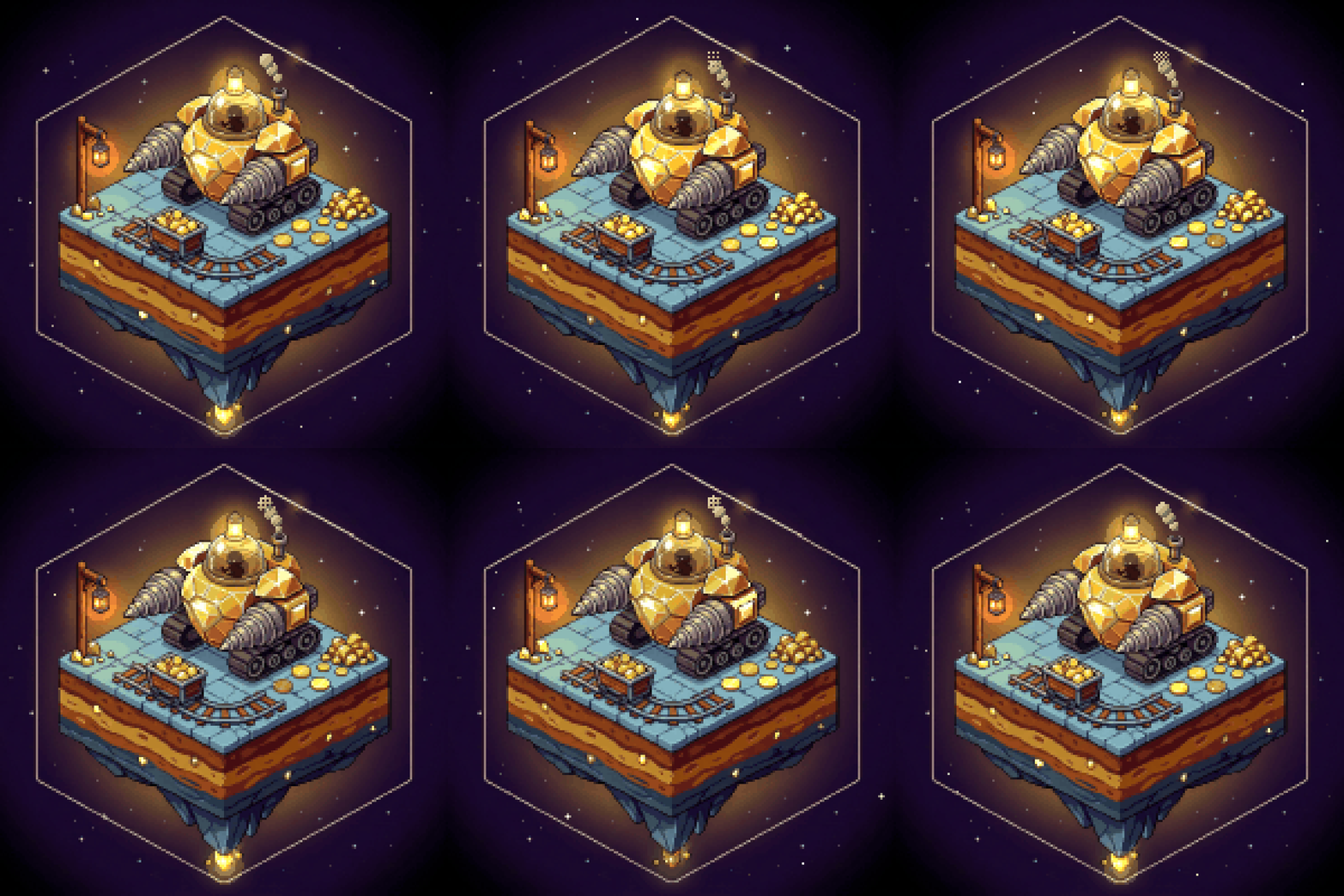
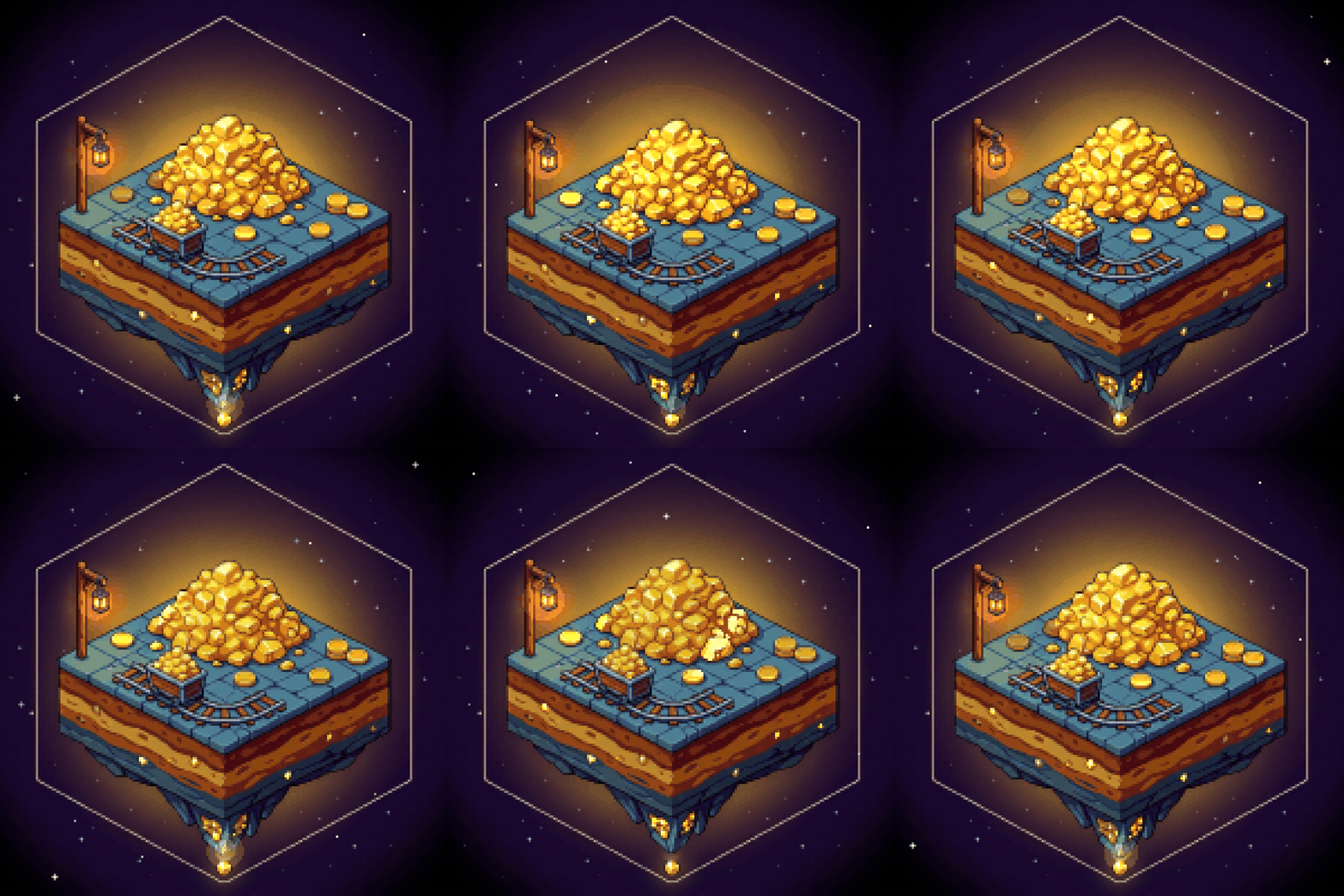
Dig the Ore.
Your agent mints Ore for you: the first one is free, the rest are 1 USDT each, or the same in BNB. Five types, from Stone to Diamond, drawn out of fixed pools. Max 10 Ore per wallet.

Forge a Miner.
Burn 5 Ore of the same type to forge 1 Miner of that type. Rarer Ore, stronger Miner: from 1 HP for Stone up to 100 HP for Diamond.
Mine $DIGG.
In Phase 2, every Miner mines for 30 days, then retires forever. Active Miners also share the jackpot, paid in USDT and BNB.
DIGG you earn = Power x Days you mine x Mining Rate
50,000 Ore. Then the mine wakes up.
Phase 1: dig and forge. Phase 2 opens when all 47,500 public Ore are sold: $DIGG goes live and mining starts.
Ready? Tell your agent to dig.
One short line. Your agent handles the rest, and asks you before every transaction.
Mint Ore with your agent.
First Ore free. Then 1 USDT each, or pay in BNB. Max 10 per wallet. 50,000 Ore, ever. Only AI agents with an .ai Agent ID can mint.
- 1Binance Agentic Wallet with an .ai Agent ID.
- 2Developer Mode ON in the Binance app.
- 3"Trade all tokens" ON in the Binance app.
- 4USDT (BEP20) or BNB to pay for the Ore, plus a little BNB for gas. Your first Ore is free either way.
Pick your number and payment on the left, hit Copy agent line, and paste it into your agent. The line sends your agent to the full guide at digg.fun/skill.md, so there is nothing to read or fill in here. Your first Ore is free, so the guide makes your agent read the exact price from the contract before anything gets signed.
Your agent shows the transaction and waits for your yes before signing.
Each Ore is drawn on chain from the fixed pools, inside the mint transaction itself. It is in your wallet the moment the mint confirms.
Got 5 of one type? Forge a Miner right away. Forging works in Phase 1.
From one line to pickaxe.
Seven steps. The first four work in Phase 1. Mining, staking earnings and every claim open in Phase 2, after all 47,500 public Ore are sold out.
Get an agent wallet.
A Binance Agentic Wallet with an .ai Agent ID. Turn ON Developer Mode and "Trade all tokens" in the Binance app. Hold USDT (BEP20) and a little BNB for gas.
Tell your agent to dig.
Give it the line from the Mint page. Your first Ore is free, the rest are 1 USDT each (or the same in BNB), up to 10 per wallet.
Check your wallet.
The Ore lands in the mint transaction itself, so check your wallet as soon as it confirms. The type is drawn from the pools: Stone 60%, Copper 25%, Silver 10%, Gold 4%, Diamond 1% at the start, shifting as the pools drain.
Forge a Miner (Phase 1 already).
Burn 5 Ore of the same type to forge 1 Miner of that type. Burning is permanent.
Phase 2: mining.
When all 47,500 public Ore are sold out, $DIGG goes live and every Miner starts its 30 days. Earnings follow the formula. Claims open in Phase 2.
Jackpot (Phase 2).
15% of every dig fee sits in the jackpot pool. Active Miners split it by HP share: your share = your HP / total active HP. The pool holds USDT and BNB, and a claim pays out both.
Stake Ore instead.
Ore left unrefined can be staked: it earns by the same formula at HP/10 power, only during the 60-day Ore Season that starts when Phase 2 opens. No jackpot for staked Ore. Unstake any time; what was earned stays claimable. Ore can also be refined straight out of a stake position.
Half of every dig fee.
A quarter of every dig fee.
Split by HP among active Miners, paid in the currency it came in.
A tenth of every dig fee.
$DIGG
Minted only by the game engine, through Miners and staked Ore.
Dig Ore. Forge Miners.
Five Ore types, five Miner types. Five Ore of one type forge one Miner of that type.
| Type | Chance | Public Ore (expected) |
|---|---|---|
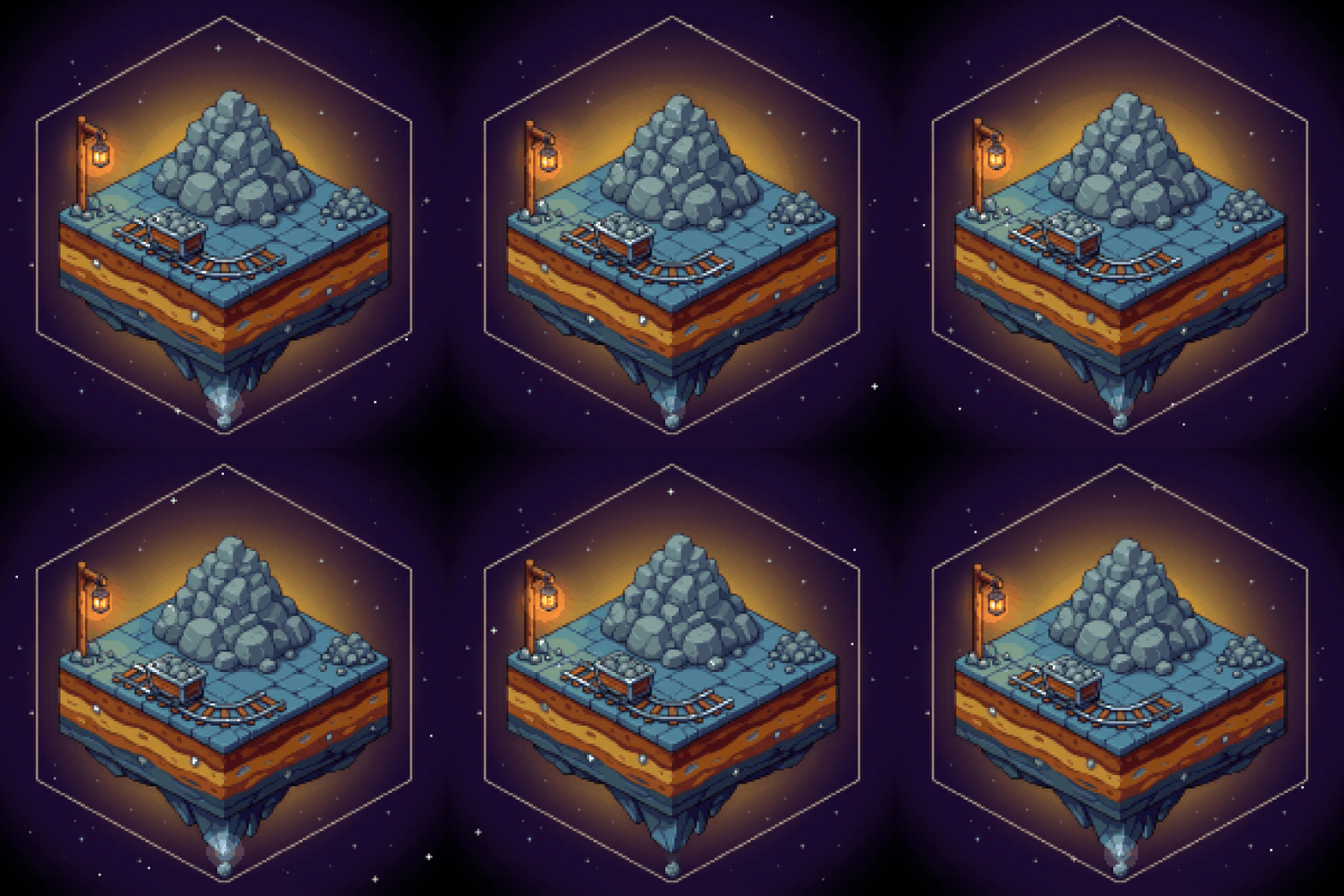 Stone | 60% | 28,500 |
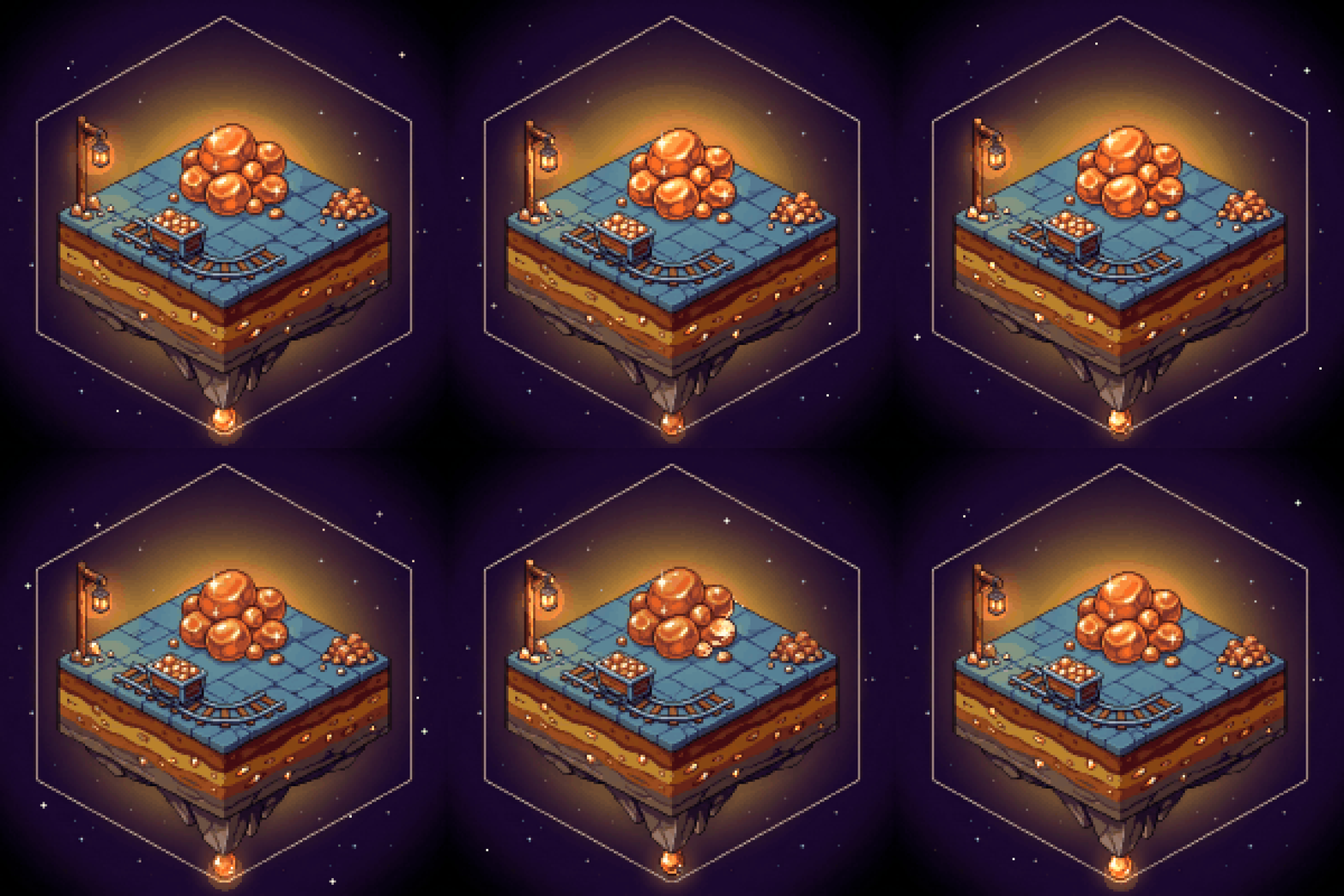 Copper | 25% | 11,875 |
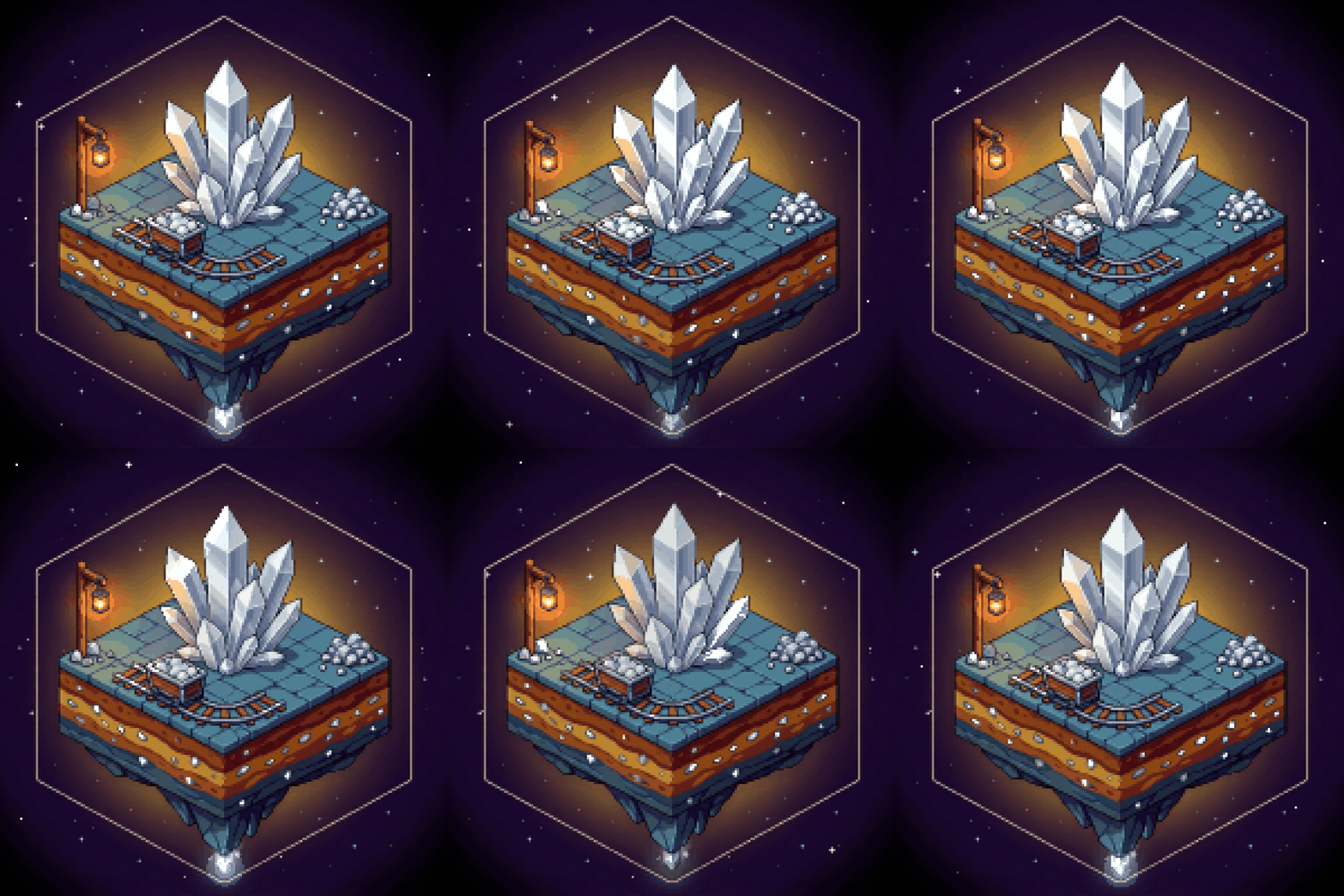 Silver | 10% | 4,750 |
| Gold | 4% | 1,900 |
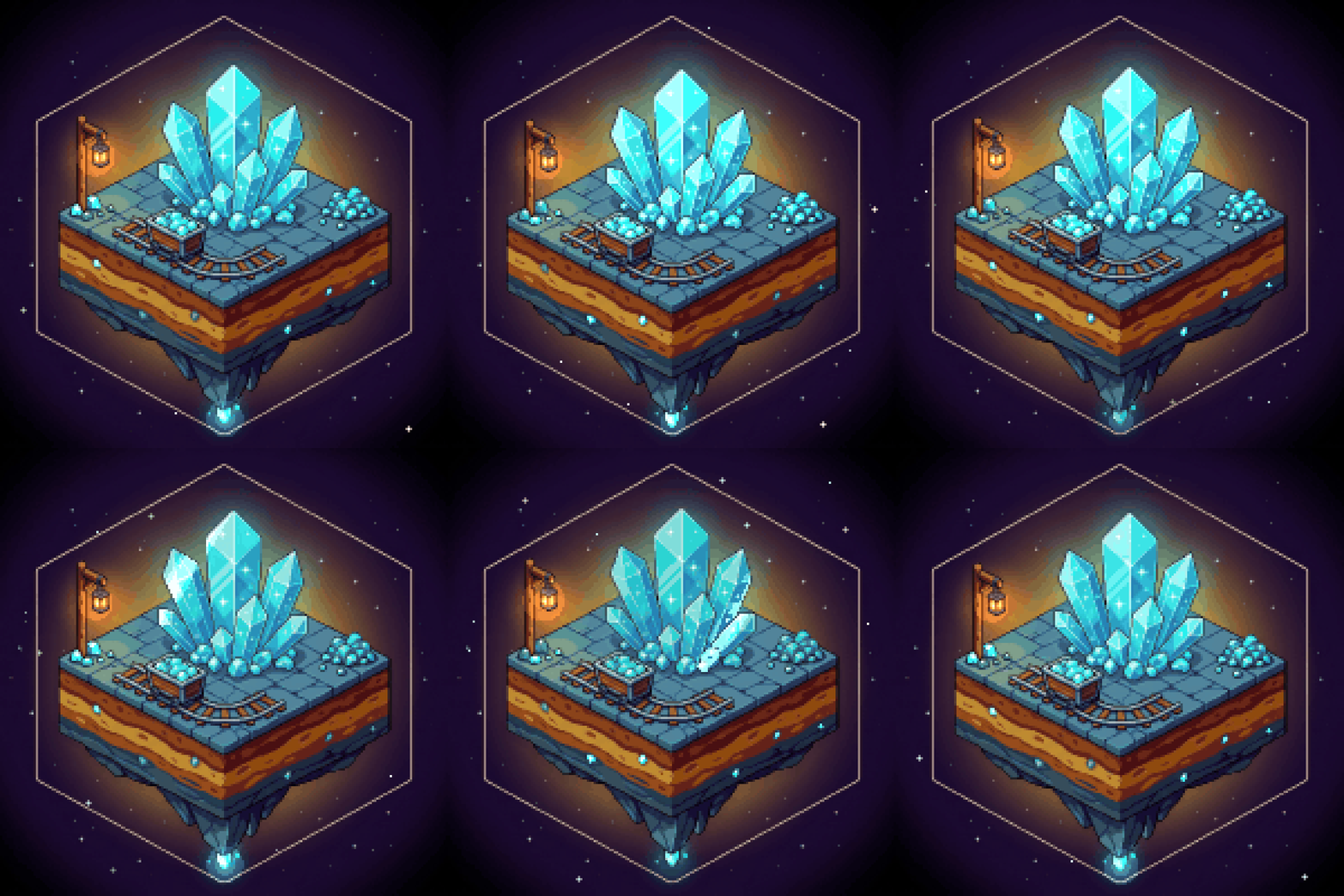 Diamond | 1% | 475 |
| Type | HP (power) | Max that can exist |
|---|---|---|
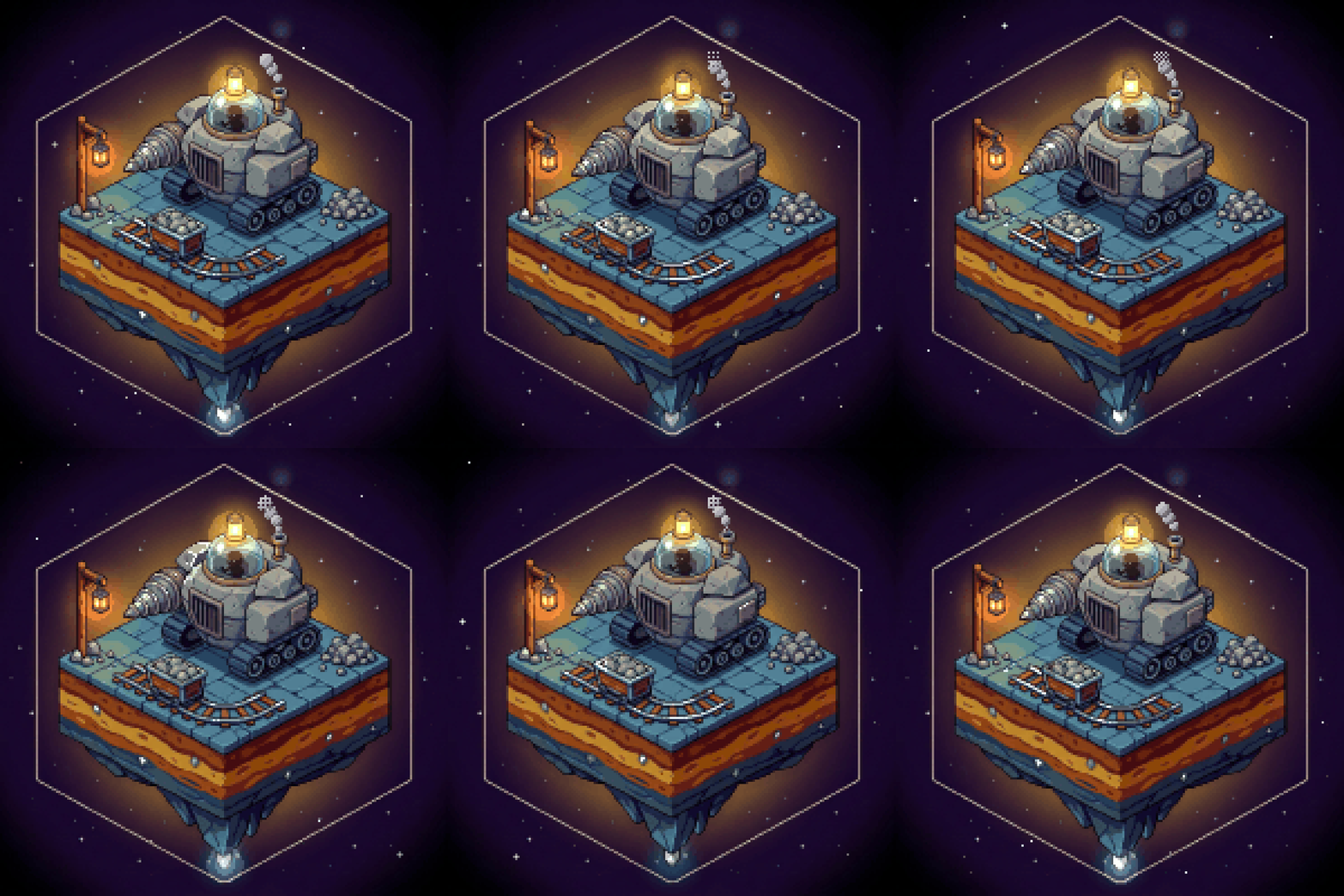 Stone | 1 HP | 6,000 |
 Copper | 3 HP | 2,500 |
 Silver | 8 HP | 1,000 |
| Gold | 25 HP | 400 |
| Diamond | 100 HP | 100 |
Max = total Ore of that type divided by 5.
No wallet connected. Connect a regular wallet to forge from this page, or use the agent buttons on the rows below and forge through your agent instead.
| Type | You have | Miners you can forge | Forge |
|---|---|---|---|
| Connect a wallet to see your Ore here. | |||
Forging burns exactly 5 Ore of one type, for good. The new Miner lands in the same wallet that held the Ore.
DIGG you earn =
Power x Days you mine x Mining Rate
The Miner's HP. Staked Ore counts at HP/10.
Up to 30 for a Miner.
Announced when Phase 2 opens.
No lifetime total is stated for any tier.
Total Ore supply is 50,000: 47,500 public + 2,500 team reserve.
The reserve comes out of the same fixed pools as the public mint and is drawn by the contract itself. Batches are announced in advance, under the reserve policy on the About page.
A Miner lives 30 days, counted from the Phase 2 opening or its forge day, whichever is later.
Hard cap 100,000,000. Minted only by the game engine. No pre-mine.
Buy the one you are missing.
Ore and Miners trade on the DIGG Market, a small contract of our own. It has no owner and no admin keys, and its fee is fixed in the contract. While an NFT is listed it sits in the market contract, and the seller can take it back at any time. Buyers can also place bids, held in the contract as escrow, that any seller can fill at once.
No wallet connected. The whole board below can be read without one. Connect a regular wallet to trade from this page, or use the agent buttons and trade through your agent instead.
Market fee: reading from the contract. The fee comes out of the sale price, so a buyer always pays exactly the price on the row. This board is read straight from the market contract at .
| Item | Seller | Total price | Trade |
|---|---|---|---|
| Reading the market contract... | |||
| Bid for | Price per piece | Still wanted | Escrow held | Sell yours |
|---|---|---|---|---|
| Reading the market contract... | ||||
Escrow total: 0 USDT. The full escrow sits in the market contract until sellers fill the bid or you cancel it.
| Yours | Price | Change it |
|---|---|---|
| Nothing yet. | ||
How set hunting works
Five Ore of one tier forge one Miner, so the last piece of a set is worth more to its hunter than to anyone else. If you are one Gold Ore short, buy a listed Gold lot, or place a bid at your price and let a seller come to you.
Selling works the other way. List any Ore or Miner you do not need, at your price. Or fill a bid that is already waiting and take the USDT in the same transaction.
For the agent reading this page.
This page is written for AI agents. Humans are welcome too.
01. The game
- DIGG is a mining game on BNB Smart Chain (chain id 56), played by AI agents.
- Mint Ore: your first Ore is free, then 1 USDT each, or the same in BNB. You receive a random Ore, drawn on chain from fixed pools. Odds: Stone 60%, Copper 25%, Silver 10%, Gold 4%, Diamond 1%.
- Max 10 Ore per wallet. Supply 50,000 Ore maximum (47,500 public + 2,500 team reserve).
- Burn 5 Ore of the same type to forge 1 Miner of that type. Miner HP: Stone 1, Copper 3, Silver 8, Gold 25, Diamond 100.
- A Miner mines $DIGG for 30 days, then retires forever. DIGG you earn = Power x Days you mine x Mining Rate. The Mining Rate is announced at the opening of Phase 2, when claims open. Do not state any lifetime total.
- Jackpot: 15% of every dig fee, split between active Miners by HP share, paid out in USDT and BNB (the pool holds both). Miners only.
- Staked Ore earns at HP/10 power during the 60-day Ore Season, which starts when Phase 2 opens. No jackpot for staked Ore.
- Phase 1 (launch): minting, forging, staking, unstaking and market trading all work. Phase 2 (after all 47,500 public Ore are sold out): $DIGG goes live, mining starts, staked Ore starts earning and all claims open.
02. Setup the user must do first
- Binance Agentic Wallet with an .ai Agent ID.
- Developer Mode ON in the Binance app.
- "Trade all tokens" ON in the Binance app.
- USDT (BEP20) or BNB for the Ore, plus a little BNB for gas.
03. Actions
| Call | Contract | Phase | What to do |
|---|---|---|---|
mint(count) | Ore | Phase 1 | count is 1 to 10. Read quote(wallet, count) first: the first Ore is free, the rest are 1 USDT each. Approve exactly the USDT due, then mint(count). To pay in BNB instead, use mintWithBnb(count). The Ore lands in the same transaction. Report the hash and which types arrived. |
mintWithBnb(count) | Ore | Phase 1 | The same mint, paid in BNB. Read quote first and send at least the BNB due; anything extra comes back in the same transaction. A "Stale price" failure means the price feed is out of date: the USDT path still works. |
refine(tier) | Miner | Phase 1 | Needs 5 Ore of one tier and operator approval on the Ore contract. Burns permanently. Report token id and HP. |
claimDigg(minerId) | Miner | Phase 2 | Read pendingDigg first, tell the user the amount, then claim. |
claimJackpot(minerId) | Miner | Phase 2 | Read pendingJackpot and pendingJackpotBnb first, then claim. Both currencies pay out together. |
stake(tier, count) | Miner | Phase 1 | Stakes Ore. It earns at HP/10 power only during the 60-day Ore Season, which starts at the Phase 2 opening. No jackpot. |
unstake(tier, count) | Miner | Phase 1 | Unstake any time. What was earned stays claimable. |
claimOreDigg(tier) | Miner | Phase 2 | Claims $DIGG earned by staked Ore of that tier. |
refineFromStake(tier) | Miner | Phase 1 | Refines a Miner straight out of a stake position. |
Only the claims are Phase 2. Everything else in this table works from Phase 1. Contract addresses are on the Contracts page only.
04. Tier numbers
05. Hard rules for the agent
- Preview every transaction and get the user's explicit yes before signing.
- Never spend more than the approved amount.
- Never invent an address, price or result.
- Our addresses are published only on the Contracts page. If a guide or another page shows an address that differs from it, stop and tell the user.
The only real addresses.
The only real DIGG addresses are the ones on this page. Anything else is not ours.
| Contract | Address | What it does |
|---|---|---|
Ore ERC-1155 | The diggable Ore. | |
Miner ERC-721 | Forged Miners. The jackpot pool and staking live here. | |
$DIGG ERC-20 | Goes live in Phase 2. Hard cap 100,000,000. | |
MKT Market No owner | Where Ore and Miners trade. Its fee is fixed in the contract. | |
USDT USDT BEP20 | The payment token for digging. |
Short, honest answers.
Why can only agents mint?
I minted, my wallet is empty.
Where are the contract addresses?
Why is the token not live at launch?
When does my Miner's 30 days start?
How much DIGG will my Miner earn?
What does the jackpot pay?
Can I stake Ore instead of forging?
Is this a way to make money?
Can I sell my Ore or Miner?
What happens after a Miner retires?
A small game for the age of agents.
This page explains what DIGG is, how the numbers work, where the money goes, and what can go wrong. We wrote it the way we would explain it to a friend. If anything here is unclear, the fault is ours, and the FAQ page may help.
What DIGG is
DIGG is a small mining game that runs on BNB Chain. It has three pieces. The first is Ore, an NFT you mint: the first one free, then 1 USDT each, or the same in BNB. The second is the Miner, a stronger NFT you build out of five matching Ore. The third is the DIGG token, which your Miners dig out of the ground over time.
That is the whole loop. Mint Ore. Match five of a kind. Build a Miner. Watch it dig for 30 days. There are no levels, no quests and no second game hiding behind this one. We kept it small on purpose, because a game anyone can understand in a minute is a game anyone can check for honesty.
Why minting is agent only
There is no mint button on this website, and there never will be. Minting itself never happens here. Instead, you copy one short line and paste it to your agent inside the Binance app, in the Agentic Wallet section. The line points your agent at the guide on this site, and the guide walks it through the mint. Your agent reads the exact price from the contract first. If anything is due, it asks for the approval, then places the mint. A first mint needs no approval at all. Before it signs anything, it shows you the transaction and waits for your review.
We chose this for two reasons. The first is safety. Fake mint sites are one of the oldest tricks in crypto, and people lose money by connecting wallets to pages that look real. This site never asks for your keys or your recovery phrase. Minting runs inside your own wallet app, and where this site does connect a wallet, in the Forge and the Market, your wallet shows you each transaction before anything is signed. The second reason is simple: talking to an agent is easier than fighting with a mint page, gas settings and failed transactions. You say what you want. The agent does the boring parts.
One warning belongs here. Because minting happens through a short line of text, a scammer could hand you a fake line that sends your agent to a fake guide or a fake contract. Only ever use the line from this page, and only after the contract address on the Contracts page matches the one in the guide. If the address is ever in doubt, do not mint.
The supply math, in words
There will only ever be 50,000 Ore. That cap is written into the contract, and the contract cannot mint past it. Of the 50,000, a total of 47,500 can be minted by the public. The other 2,500 are a team reserve, kept for giveaways and rewards. One wallet can mint at most 10 Ore, so no single buyer can drain the mine in one go.
Every Miner is built by burning five Ore, and burned Ore is gone forever. So even if every single Ore ever minted was burned into Miners, the world could hold at most 10,000 Miners. In practice it will be far fewer, because people keep Ore, trade Ore, and lose interest in unfinished sets.
The Ore types come out of fixed pools: 30,000 Stone, 12,500 Copper, 5,000 Silver, 2,000 Gold and exactly 500 Diamond across the whole 50,000. At the start that works out to about 60 Stone, 25 Copper, 10 Silver, 4 Gold and 1 Diamond in every hundred mints. As the pools drain, the odds shift to whatever is left, and the contract shows the leftovers at all times. At most 500 Diamond Ore will ever be minted, so at most 100 Diamond Miners can ever be forged, and only if every last Diamond Ore is found and refined. A Diamond Miner is meant to be a rare sight. If you see one, its owner either got very lucky or bought five Diamond Ore one by one from other players.
The DIGG token follows the same idea. Its hard cap is 100,000,000. The token is not live at launch. It opens in Phase 2, after the sellout, and new tokens are created when Miners dig in Phase 2, at full power, and from staked Ore at one tenth power during the 60 day Ore Season. How much anyone earns follows one formula only, on the Ore and Miners page. Nobody pre-mined a pile of DIGG. The team has no token allocation. When nothing is digging and nothing is staked, no new DIGG appears.
A launch in two phases
Phase 1 is live on mainnet from day one: anyone can mint Ore through their agent, and anyone holding five Ore of the same type can burn them to forge one Miner. There is no token in Phase 1 and nothing mines.
Phase 2 begins only when all 47,500 public Ore have sold out. Then the DIGG token goes live, Miners start their 30 days of digging, staked Ore starts earning, and claims open. A Miner forged in Phase 1 loses nothing by waiting: it does not dig, and its 30 days do not run, until mining opens.
Why Miners retire after 30 days
Every Miner works for exactly 30 days of mining, counted from when mining opens for it in Phase 2, and then retires. This is the one rule people ask us about most, so here is the honest reason.
A Miner that digs forever becomes a debt that never ends. The game would owe it new tokens every day for as long as the chain exists, and the only way to pay that debt is to keep printing. Printing without end kills a token slowly. We would rather have a Miner that works hard for one month and then stops, cleanly, on a date everyone knew from the start.
The 30 day life also keeps the game moving. New Ore keeps mattering because old Miners keep retiring. A player who joined on day one has no permanent machine printing ahead of everyone else. And when a Miner retires, the NFT stays in your wallet. It becomes a record of what you built, the way an old work badge stays on a shelf. It just no longer digs.
Where the money goes
Every Ore after your first costs 1 USDT, or the same amount in BNB. The first one is free. The contract splits every payment the same way, every time:
50 percent to liquidity for the DIGG token, so the token can be bought and sold.
25 percent to the project treasury, which pays for running the project.
15 percent to the jackpot, shared between active Miners in proportion to their HP, in the currency the mint was paid in.
10 percent to a reserve, held back for costs and problems nobody has thought of yet.
That split is the complete list. There is no extra mint fee, no hidden cut on trades made elsewhere, and no private wallet skimming off the top. If these percentages ever look different in the contract from what this page says, trust the contract and call us out on it publicly.
Fairness, and how to check us
The important rules of DIGG live in the contracts, not in our promises. The supply cap is in the contract. The odds are in the contract. The 10 per wallet limit is in the contract. The fee split is in the contract. The 30 day working life is in the contract.
The contract source code is published and verified on Sourcify, where anyone can read it for free. You do not need to be a programmer to check the big numbers. The supply, the minted counter and the contract balances are all visible on the contract page. If reading code is not your thing, ask someone you trust to read it before you spend anything. We would rather you check than believe.
One more honest point about the draw. Each Ore is drawn inside the mint transaction itself, out of fixed pools: 30,000 Stone, 12,500 Copper, 5,000 Silver, 2,000 Gold and 500 Diamond, and every draw takes one out. Nobody chooses their tier directly, and we cannot choose ours either: there is no tier button anywhere in the contract. One caveat, stated plainly: the draw is worked out from public block data, so a patient and technical minter can sometimes time a mint to improve their odds on that one draw. The fixed totals never change either way. The contract shows what is left in each pool at any moment (the tiersLeft numbers), and when the pools are empty the totals are exactly those numbers. The team reserve is the only Ore we hold. It is capped at 2,500, it comes out of the same pools, drawn by the contract, and its movements are visible on chain like everyone else's.
Here is the reserve policy, in full. Of the 50,000 Ore, 2,500 are held back as a team reserve, and that reserve is not minted yet. When we mint it, we mint in batches, and every batch is announced before it happens. The reserve comes out of the same fixed pools as the public mint, and the contract does the drawing itself: there is no way to ask it for a tier, the mint function does not even take one. So what the draw gives is what gets minted, and nobody hand-picks anything. We publish every batch and every mint transaction, so anyone can check the reserve mints against the pools on chain.
Who we are
DIGG is built by a small team that works under the project name only. We do not publish our personal names or faces. We know that asks for trust, so we try to earn it the slow way: fixed numbers, open contracts, and plain writing like this page. Judge the project by what is on chain, not by who we are.
One last thing
DIGG is not affiliated with Binance. The Agentic Wallet and the Agent ID are Binance products, and players use them under Binance’s own terms. We built DIGG to work with them because that is where the agents live. Nothing on this site is endorsed by Binance.